
Our Mission

Our mission is to educate students to love both the Lord and learning so that they thrive as passionate disciples of Christ, exceptional scholars, and virtuous citizens.
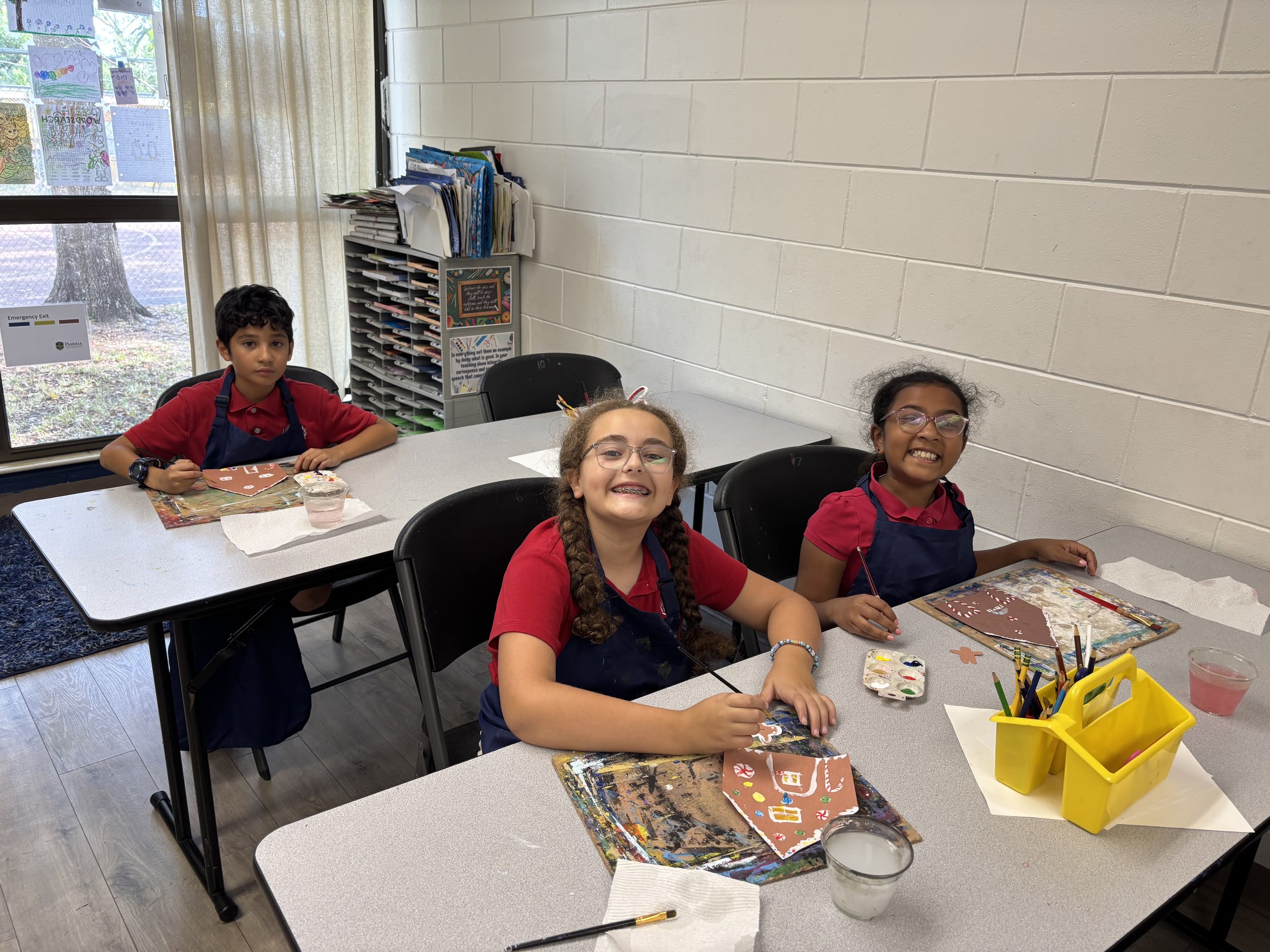

How do we educate and shepherd hearts?
At Paideia, we take a deliberate approach to helping our students develop a God-dominated imagination so that they begin to take every thought captive and make it obedient to Christ and see Him in every subject, every historical moment, and their daily lives. This is a responsibility that we don't take lightly and something we cannot do alone. By God's grace, the support of an all-Christian faculty who prays together each day for one another and for our students helps keep our eyes set on Christ. We acknowledge our dependence on Christ and make an effort to point our students to Him daily.
What is Paideia?
In basic terms, paideia is the Greek word for "education" or "upbringing." But paideia is rich with a meaning, running deeper than the mere sharing of information. In the ancient world, paideia was a comprehensive term that referred to a total enculturation of an ideal citizen. As a classical Christian school, we seek to shape students according to a Christian understanding of paideia: a comprehensive, nurturing education that magnifies Christ. We partner with parents who want their children to be mature disciples, scholars, and citizens who glorify God in all that they do.
Classical Christian Education Defined
Classical Christian Education Defined
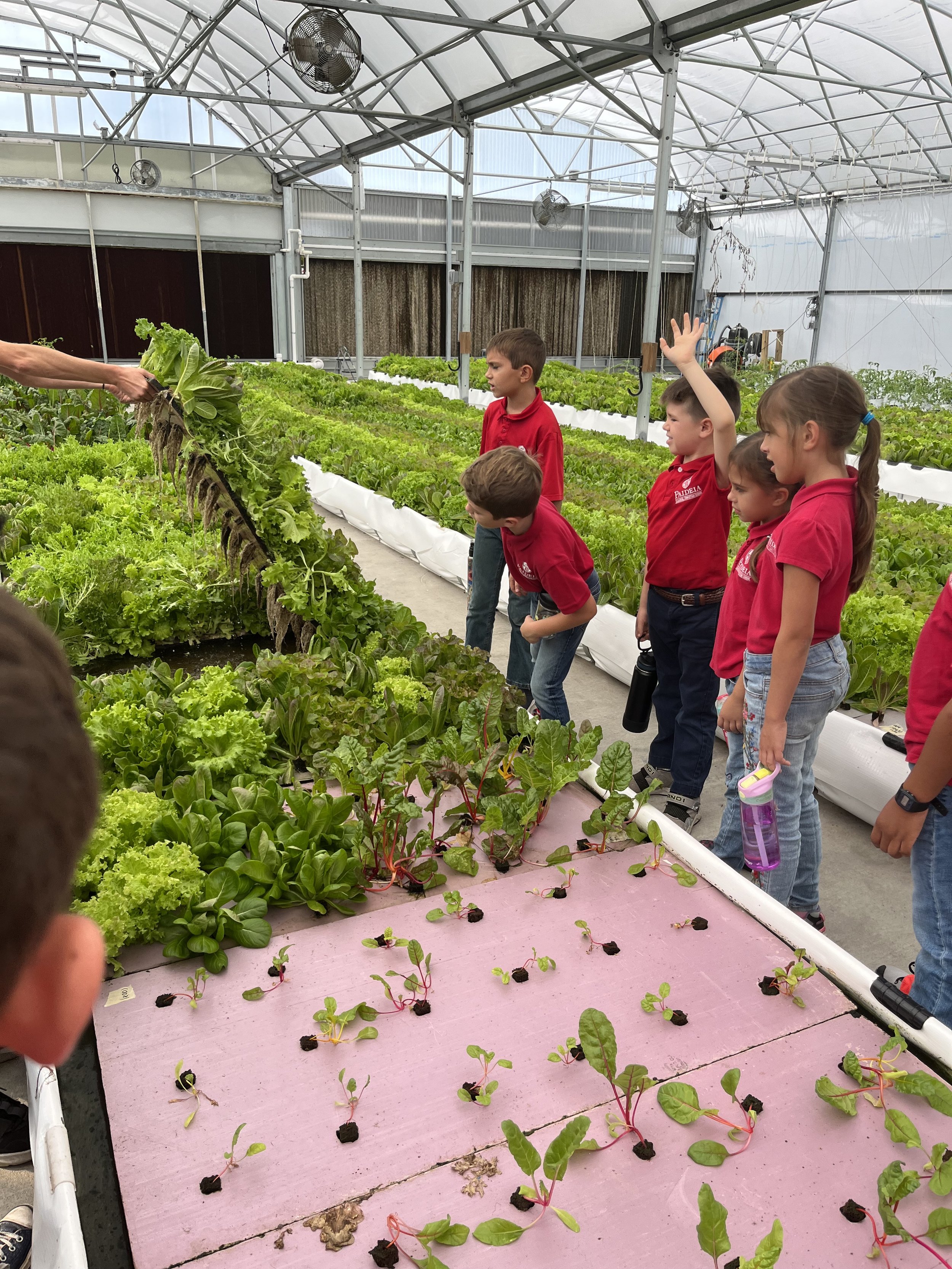
What is Classical?
As a classical school we employ a time-proven method of education rooted in the liberal arts tradition. The goal of this approach is to educate students, not primarily in what to think, but in how to think: thoroughly, maturely, and biblically.
The following is a description of classical Christian education from The Association of Classical and Christian Schools (our accrediting organization).
-
Classical Christian schools use the children’s God-given strengths at each stage of growth to help them learn; young children enjoy memorizing, singing, and rhymes, so a solid foundation is laid in each subject of study at this age; junior-high students are inquisitive, so we develop their ability to reason and discern truth; and high-school students want to talk, so we teach them how to present their ideas persuasively. The process results in graduates who know what they believe, why they believe it, and how what they believe can positively impact the community around them.
-
Classical Christian schools develop skills to equip students to be lifetime learners by teaching students that every subject is comprised of certain defining facts with an orderly organization of the information, and a concise and persuasive way in which to present the acquired material. This method of instruction has been in use for hundreds of years, and is the means which produced most of history’s great thinkers; it is the new “old-way” of educating students with a long history of success. Graduates are familiar with reading, writing, Latin, logic, math, science, rhetoric, and the fine arts resulting in gracious, knowledgeable, and thoughtful men and women.
-
Classical Christian schools teach all subjects based on the principle that God is the Creator of all that exists, and therefore all knowledge is interrelated and points back to Him. Biblical standards of conduct are applied in all arenas of school life, acknowledging that Jesus Christ is Lord of all. The schools acknowledge that God has given parents the responsibility for the education of their children and that the schools instruct those students under the parents’ delegated authority. Most graduates remain faithful to Christ even through college and have a heart to serve others.
-
Students are capable of achieving much more than is commonly thought, and therefore classical Christian schools have high expectations for student learning. Students learn to love the subjects that their teachers love and cheerfully follow the godly example of their instructors. Students with a classical Christian education experience the personal satisfaction that is inherent in mastering a difficult task.
-
A classical Christian school is a community of parents and teachers who share a commitment for teaching children to love learning and growing in godliness. Smaller class sizes ensure that teachers know their students and are better able to serve them individually. Students know they are loved and not just another face in the crowd while openly manifesting deep appreciation and respect for their parents and teachers.
-
Each member of the Board, faculty, and staff, and every family, shall assent to the articles of faith found in the Apostles’ Creed* and Nicene Creed. In addition, each member of the Board, faculty, and staff, and every family, shall subscribe in writing to the following Statement of Faith (click to view).
Our Story
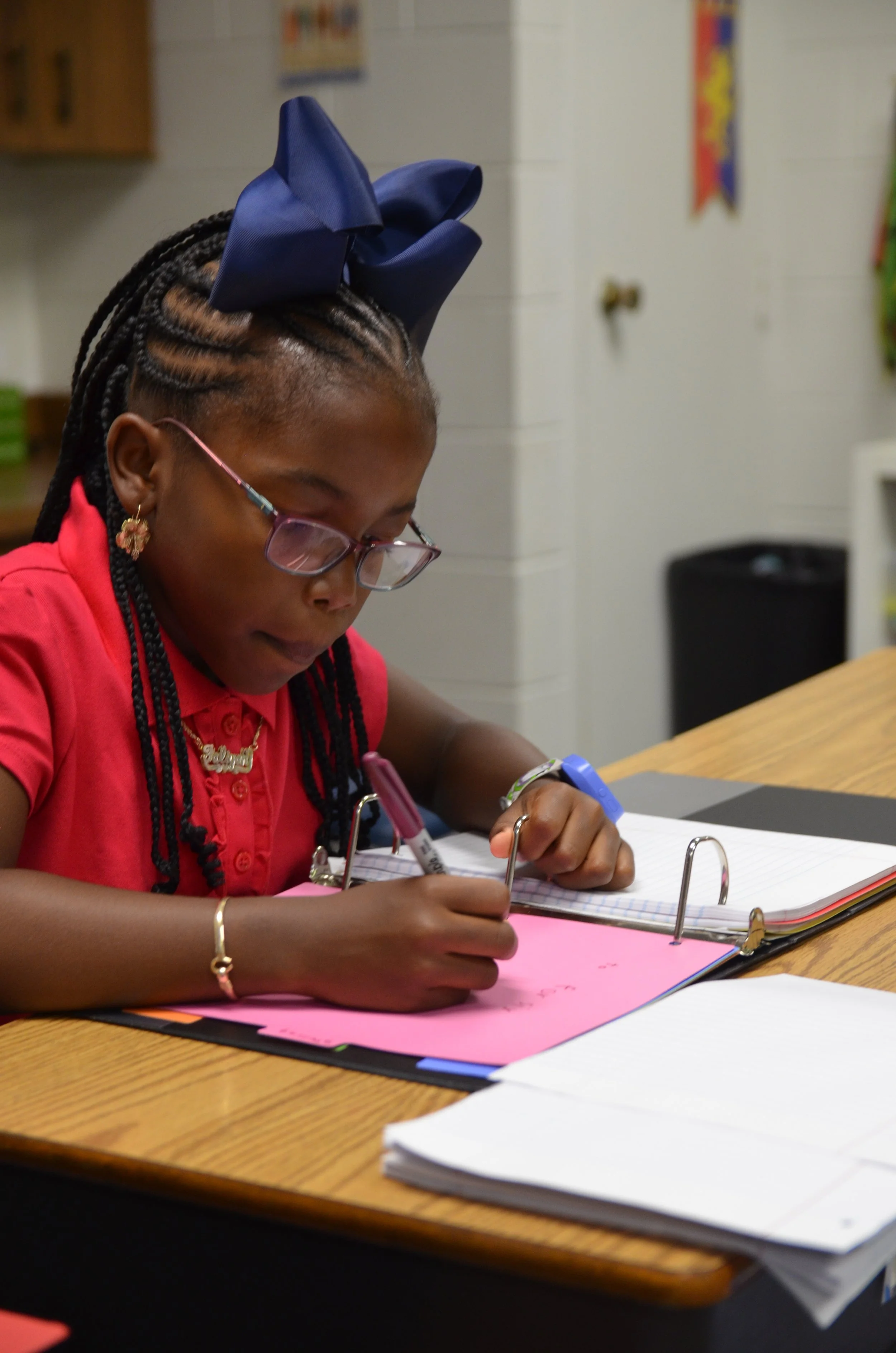
Paideia was established in 2006. As a classical Christian school, we seek to shape students according to the Christian understanding of “Paideia”: a “whole-person” educational approach which results in students who think thoroughly, maturely, and biblically and love that which is worth loving. We partner with parents who want their children to be mature disciples, scholars, and citizens who glorify God in all that they do.
The Classical Difference
What makes our education unique?
Recommended Reading
Paideia has certain values. The following books and essay have shaped our thinking and express our core values. Each will help to introduce you to the philosophy underpinning Classical Christian Education.
-
The Abolition of Man | C.S. Lewis
Recovering the Lost Tools of Learning | Douglas Wilson
The Well-Trained Mind | Susan Wise Bauer
Ten Ways to Destroy the Imagination of your Child | Anthony Esolen
Tending the Heart of Virtue | Vigen Guroian
The Seven Laws of Teaching | John Milton Gregory
Norms and Nobility | David Hicks
Dumbing Us Down | John Taylor Gatto
Consider This | Karen Glass
Poetic Knowledge: The Recovery of Education | James S. Taylor
Wisdom and Eloquence | Littlejohn and Evans
Left Back: A Century of Battles over School Reform | Diane Ravitch
Leisure: The Basis of Culture | Josef Pieper
The Liberal Arts Tradition | Kevin Clark and Ravi Jain
You Are What You Love: The Spiritual Power of Habit | James K.A. Smith
The Lost Tools of Learning (Essay) | Dorothy Sayers
Meet our Team
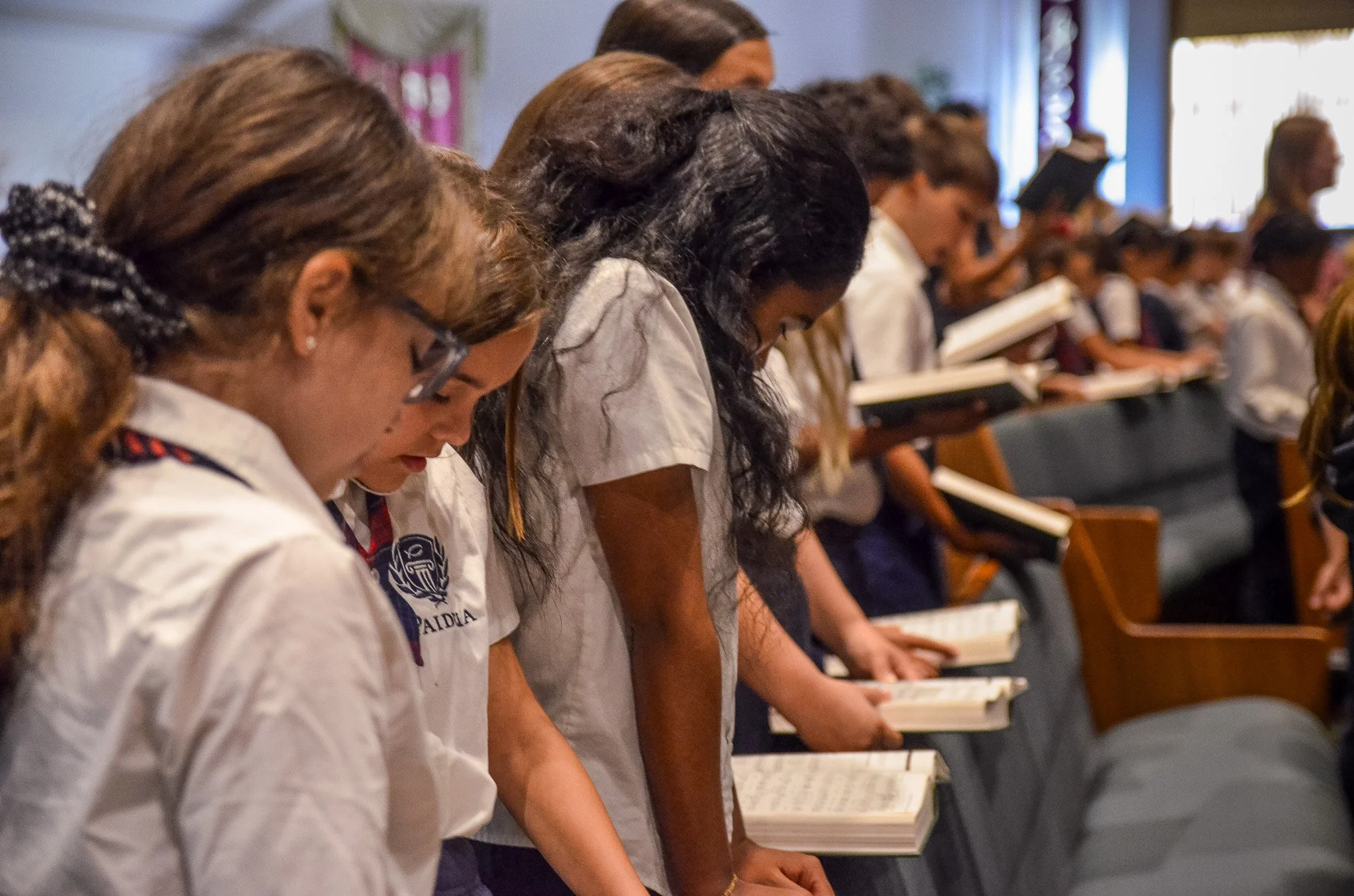
Our collective aim is not merely job preparation or test-taking intelligence, but to shape the whole person – body, mind, and soul – for the glory of Christ and His kingdom.




Athletics
Along with our academic and arts programs, the athletics program at Paideia seeks to form flourishing young adults who possess the qualities listed in the Portrait of a Graduate.

Why Classical?
A Parent’s Guide to Classical Education
Notice of nondiscriminatory
policy as to students
Paideia Classical Christian School admits students of any race, color, national and ethnic origin to all the rights, privileges, programs, and activities generally accorded or made available to students at the school. It does not discriminate on the basis of race, color, national and ethnic origin in the administration of its educational policies, admissions policies, scholarship and loan programs, and athletic and other school-administered programs.